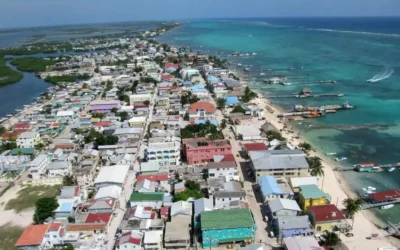
The People of San Pedro Town, Ambergris Caye — A Deep Dive into the Heart of Island Life
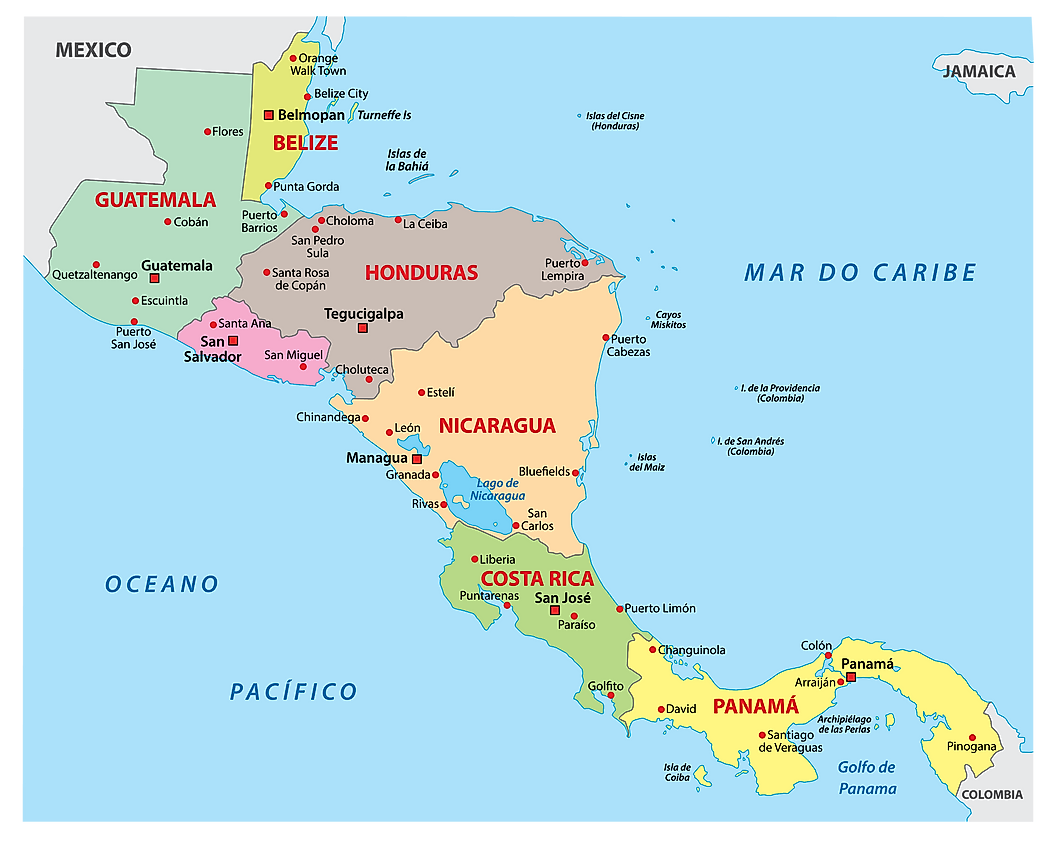
Nestled on the southern tip of Ambergris Caye in Belize’s Belize District, San Pedro Town is much more than a tropical destination. It is a living, breathing community with distinct history, culture, and character. Here’s a top‑ranking look at who the people are, how they live, and what makes their community stand out.
1. Who are the “San Pedranos”


- The term “San Pedrano(a)” is commonly used to refer to the inhabitants of San Pedro Town.
- Historically the original San Pedranos were of Mestizo heritage, with many tracing ancestry to refugees from the Caste War (Guerra de Castas) in the Yucatán region—settling in northern Belize and eventually on Ambergris Caye.
- Over time the demographic has diversified: in recent decades there has been an influx of people from other parts of Belize, Central America, North America, and other countries.
- Linguistically and culturally the community reflects this mixture: while English is the official language of Belize, many residents speak Spanish at home, and many also use Belize Kriol and local dialects.
Key demographic characteristics
- In the 2000 census the Mestizo population in San Pedro Town comprised around 77 % and in 2010 just over 72 %.
- The same municipal profile shows that about 76 % of the population spoke Spanish, and about 74 % also spoke English (making most people bilingual) in 2010.
- There is also a relatively high proportion of foreign‑born residents: about 23 % of the population is foreign born (as of the data in the municipal profile) — many of those coming for tourism, service, or investment opportunities.
In short: while the “core” San Pedrano identity stems from Mestizo roots, the actual community today is plural, multilingual, and continuously changing — and this layering is part of what gives the town its character.
2. Language, identity & everyday life


Language is a fascinating lens through which to understand the people of San Pedro. Some key points:
- English is the official language in Belize, and in San Pedro many locals speak English well — especially in businesses catering to tourism.
- Spanish is very widely spoken at home, particularly among households of Mestizo heritage. One source notes that Spanish is the most widely spoken language in San Pedro.
- Many locals also speak Belize Kriol — a creole language that evolved from English but incorporates African, indigenous and Caribbean influences — and sometimes you will hear a blended local form (informally described as “Kitchen Spanish”).
- Daily life: The settlement’s relatively small size and island nature mean that community ties are strong; people often know each other, and routines revolve around fishing, tourism, hospitality, and informal social networks.
- A charming local saying: it is sometimes said that “you’re not a true San Pedrano if you don’t know how to fish.” While this is informal and partly mythic, it reflects how marine life and fishing are woven into identity.
So in everyday life you’ll find bilingual signs, English used in formal settings, Spanish at home or among friends, and a friendly, laid‑back island mindset.
3. Roots, heritage and culture


Understanding where the people of San Pedro came from helps explain many cultural features:
Historical background
- San Pedro was originally a small fishing village. Over time, the settlement on Ambergris Caye grew — officially the town was established in 1848 according to some sources.
- The refugees from the Yucatán region (Mestizos) settled in what is now northern Belize and Ambergris Caye, giving the town its early character of Spanish‑speaking Mestizo culture.
- Over the decades the tourism industry took off, fishing remained important, and new waves of migrants (both from Belize mainland and abroad) added to the mix. This brings us to modern diversity.
Traditions & community life
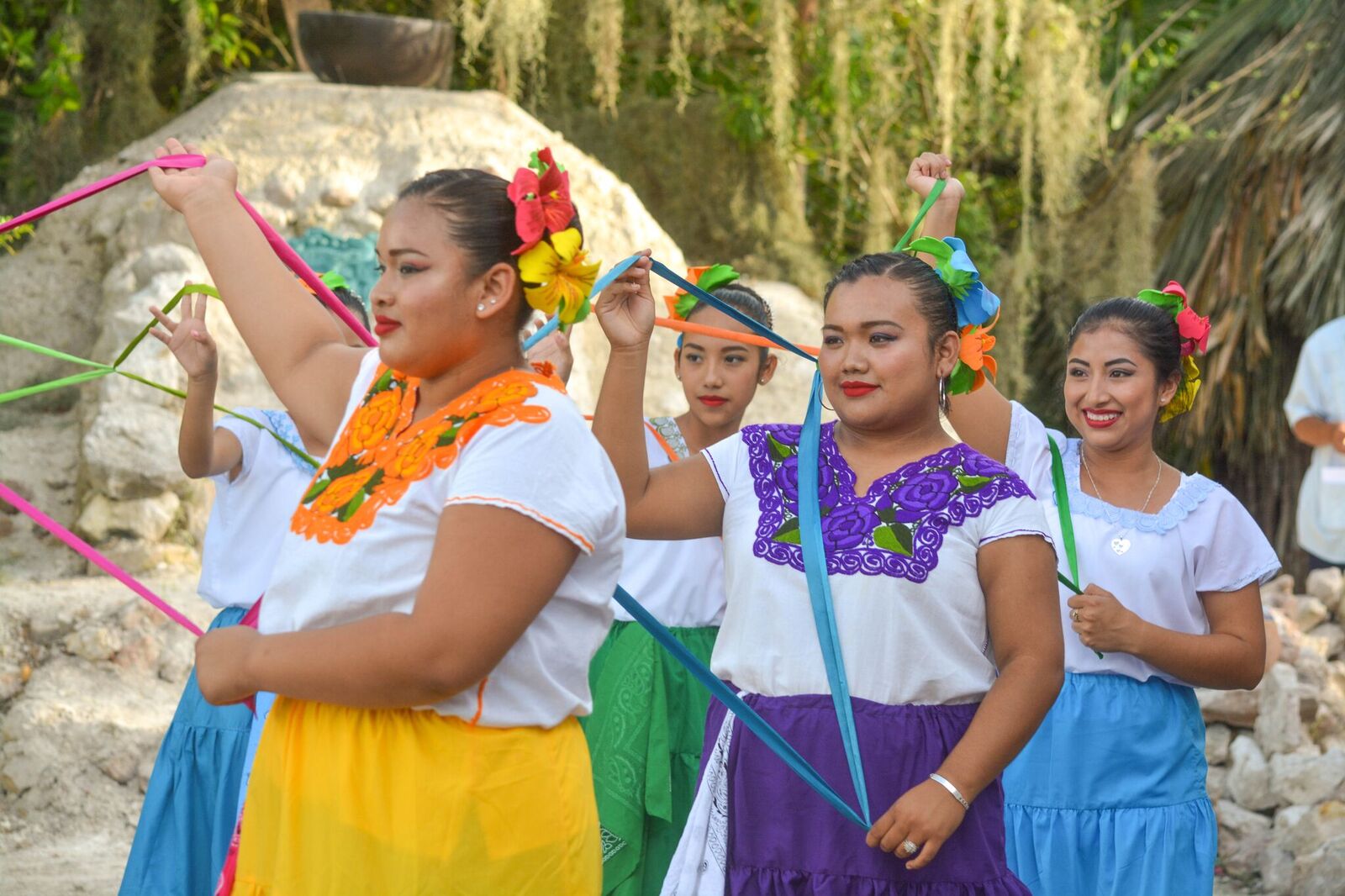
- One of the most celebrated events is El Gran Carnaval de San Pedro — a colourful, messy – joyous street festival featuring paint, eggs, flour, dancing and music — going back to the 1870s.
- Cultural celebrations (including those organised by schools and the local House of Culture) bring together the various ethnic groups in San Pedro: Mestizo, Creole, Maya, Garifuna, East Indian, Chinese, Mennonite and more. For example, at a 2023 Cultural Day event local students dressed and represented multiple traditions.
- A strong sense of community extends beyond festivals: fishing families, hospitality‑industry workers, tour guides, small business owners — all form a network of local life where relationships matter.
Identity and modern change
- While traditional livelihoods (fishing, harvesting, small‐scale agriculture) continue, tourism has rapidly changed the economy and thus people’s lives: many locals now work in dive centres, resorts, restaurants, rental firms, etc.
- With development and immigration, some of the more “traditional” aspects of San Pedro life are evolving: the old fishing village character blends with beach‑resort town features.
- Despite change, many locals emphasise that the friendly, relaxed, “island pace” way of life remains a vital part of their identity.
4. Social life, economy & community vibes


Economy and livelihoods
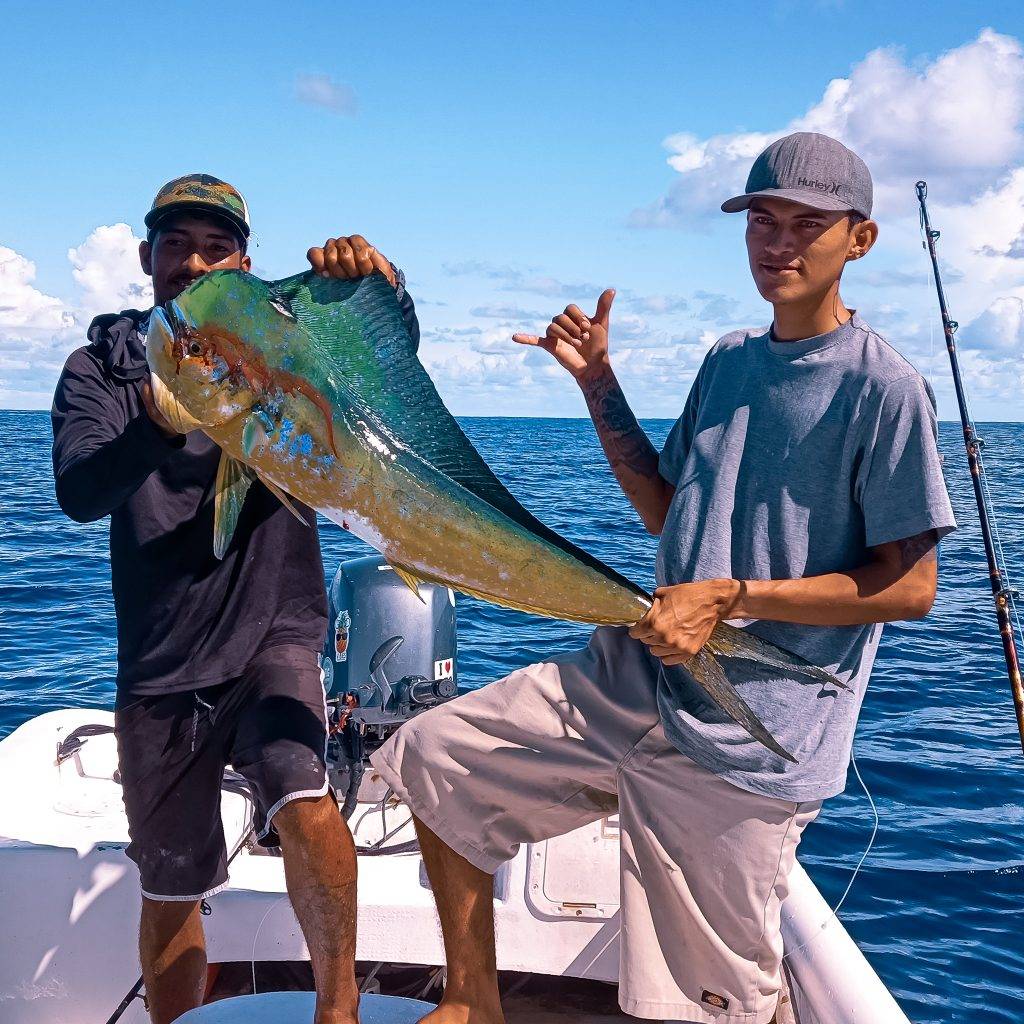
- Fishing remains a core part of local life: for many families, the sea provides not only income but also cultural meaning.
- Tourism is the major economic driver: dive operations, snorkelling tours to the reef (Belize Barrier Reef), beach bars, beachfront restaurants, accommodation — many locals are involved.
- Local entrepreneurship is alive: small shops, artisan goods, food stalls, service businesses — these form the backbone of the town’s economy and social fabric.
Community vibe
- The town is relatively small and pedestrian‑friendly: golf carts, bicycles and walking dominate rather than large cars. This fosters a sense of closeness and ease.
- Locals are generally regarded as friendly, welcoming, and used to interacting with visitors — but maintaining their own rhythms and culture rather than just being “tourist‑town.” For instance one visitor noted: “Everyone we met was so welcoming … the food was delicious … the people here sealed the deal for us.”
- Social gatherings, festivals, beach parties, dance, music — these are part of everyday life and not just for tourists. The community uses public spaces such as Central Park or beach‑front zones for events.
Balance of change and tradition
- With tourism pressure and development, the community faces challenges: e.g., housing, infrastructure, environmental concerns, and retaining local culture.
- Yet many locals take pride in their identity, the marine environment, local food traditions, and community cohesion.
5. Culture, food & tradition you’ll find in San Pedro

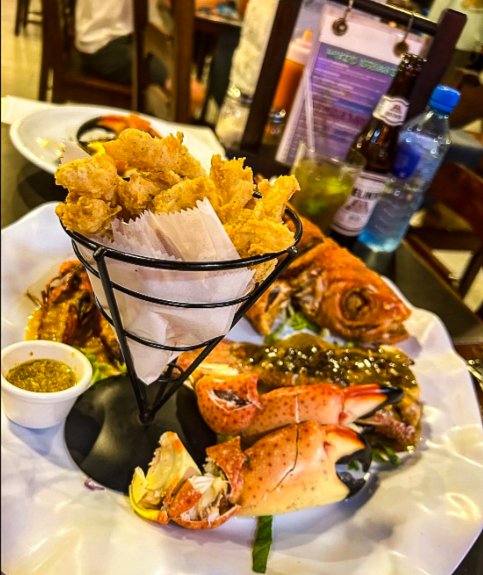
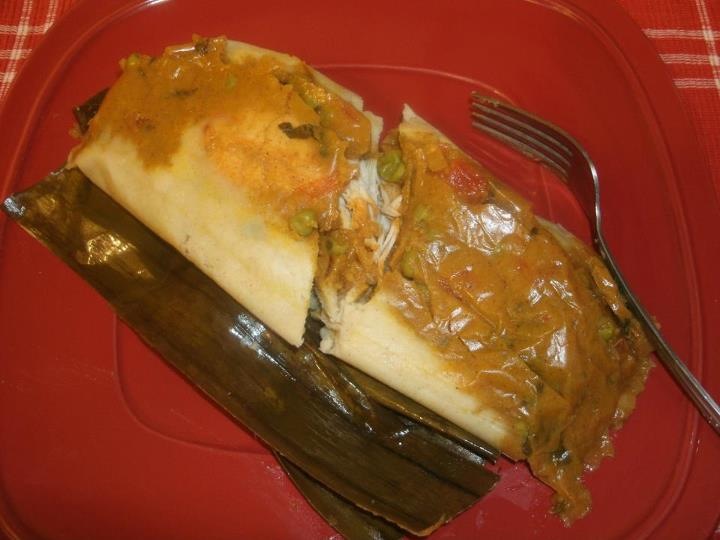
Food & flavour
- Fresh seafood is a staple: fish, conch, lobster (in season), caught locally and served in restaurants or by families. Since San Pedro sits on a reef‑rich island, the sea is central.
- Influences from several heritages: Mestizo dishes (e.g., tamales, escabeche), Belize Creole rice and beans with stewed chicken, Garifuna‑influenced foods, etc.
- Street food, cafés, beachfront grills — offering both local flavours and adaptations for visitors.
Music, arts & festivals
- Music is part of daily and festive life: traditional rhythms, dance performances, parades.
- The arts scene is active: cultural days in schools, exhibitions, local artisans. For example, the local House of Culture organized a Festival of Cultures showcasing various ethnic group attire and foods.
- Styles of dress and street fashion incorporate Caribbean flair, island casual, as well as traditional garments for special occasions.
Traditions worth noticing
- El Gran Carnaval: A highlight of community life, where locals come together in a messy, joyful display of paint, eggs, dancing and fun in the days leading to Lent.
- Cultural representation: Through school events and community festivals, the multi‑ethnic composition of the town is rendered visible and celebrated.
- Everyday rhythms: Many locals still fish at dawn, families gather for snap dinner by the sea, young people cycle or cart around town — simple yet meaningful routines.
6. Challenges & looking ahead


While the people of San Pedro enjoy a unique and vibrant lifestyle, they also face several challenges:
Growth and development
- The population of San Pedro Town has grown rapidly in recent decades, driven in large part by tourism and migration. This growth places pressure on housing, infrastructure, waste‐management, and environmental systems.
- The ratio of male to female population is slightly skewed in past censuses, which may reflect in‑migration of male workers in tourism/fishing sectors.
Environmental and cultural preservation
- Being an island community dependent on the sea and reef, environmental challenges (coral reef health, over‑fishing, coastal erosion, waste) are central to the wellbeing of the community.
- Balancing tourist development and preserving the “local life” essence is an ongoing concern. One Reddit commenter captured a sentiment of caution: “San Pedro has a limited size glass … but it’s 95% full… … how will they get more from it?”
- Cultural authenticity: As tourism grows, maintaining cultural traditions, local businesses, and community control remains important.
Socio‑economic issues
- While tourism brings opportunity, not all locals benefit equally; some families may still live on modest incomes based on fishing or seasonal work.
- Infrastructure such as water supply, sanitation, housing quality are areas of concern in rapidly growing communities. The municipal profile indicates many households rely on bottled water, for example.
Nonetheless, the community is actively managing change: local festivals, cultural events, community institutions (like the House of Culture) all suggest a willingness to engage with identity, heritage and future planning.
7. Why the people of San Pedro matter — and what you’ll feel when you visit

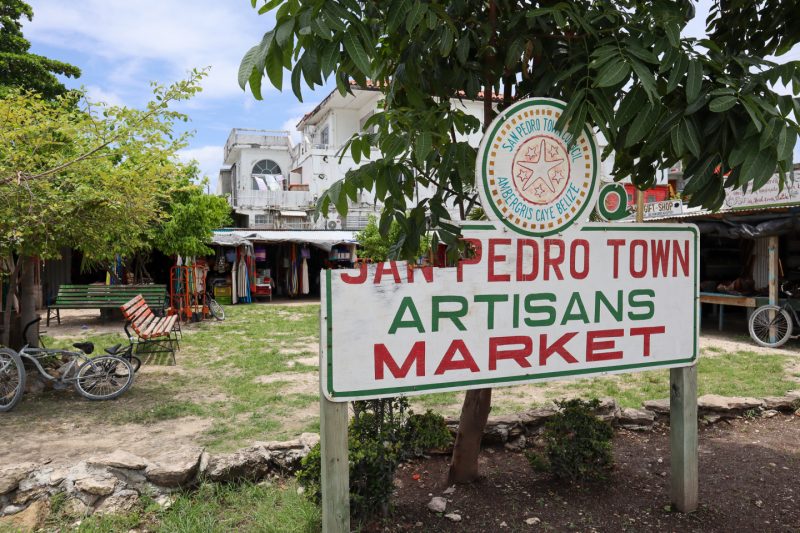

- Warm hospitality: Visitors often highlight how friendly and down‑to‑earth locals are. For many tourists the human factor (rather than just the scenery) becomes a key memory.
- Living culture: You’re not just looking at a tourist façade — the community is real, with daily rhythms rooted in sea, sand, family and tradition.
- Multicultural intersection: Because of its migration history, island situation and tourism economy, San Pedro is a micro‑example of Belize’s broader multicultural identity — a place where Mestizo, Creole, Maya, Garifuna and others coexist, collaborate and celebrate.
- Sense of place: The fishing boats, beachfront boardwalks, golf carts replacing cars, and the reef nearby all contribute to a distinctive island‐town feel. A visitor remarked: “Everyone we met was so welcoming … the people here sealed the deal for us.”
- Dynamic future: The people of San Pedro are not frozen in time — they’re managing modernization, tourism, and environmental change while still trying to preserve what makes their town unique.
✨ In Summary: The People of San Pedro
The people of San Pedro Town bring together history, culture, sea‑life and island rhythms in a way that is both authentic and evolving. From their Mestizo roots, to their bilingual speech, to their festivals, to the daily boat rides, to the smile at the local shop — they reflect a community that is resilient, warm, and full of character.
If you visit or engage with San Pedro, you’re not just seeing a destination — you’re meeting a community. And that makes all the difference.